How to measure blood pressure at home (step by step)
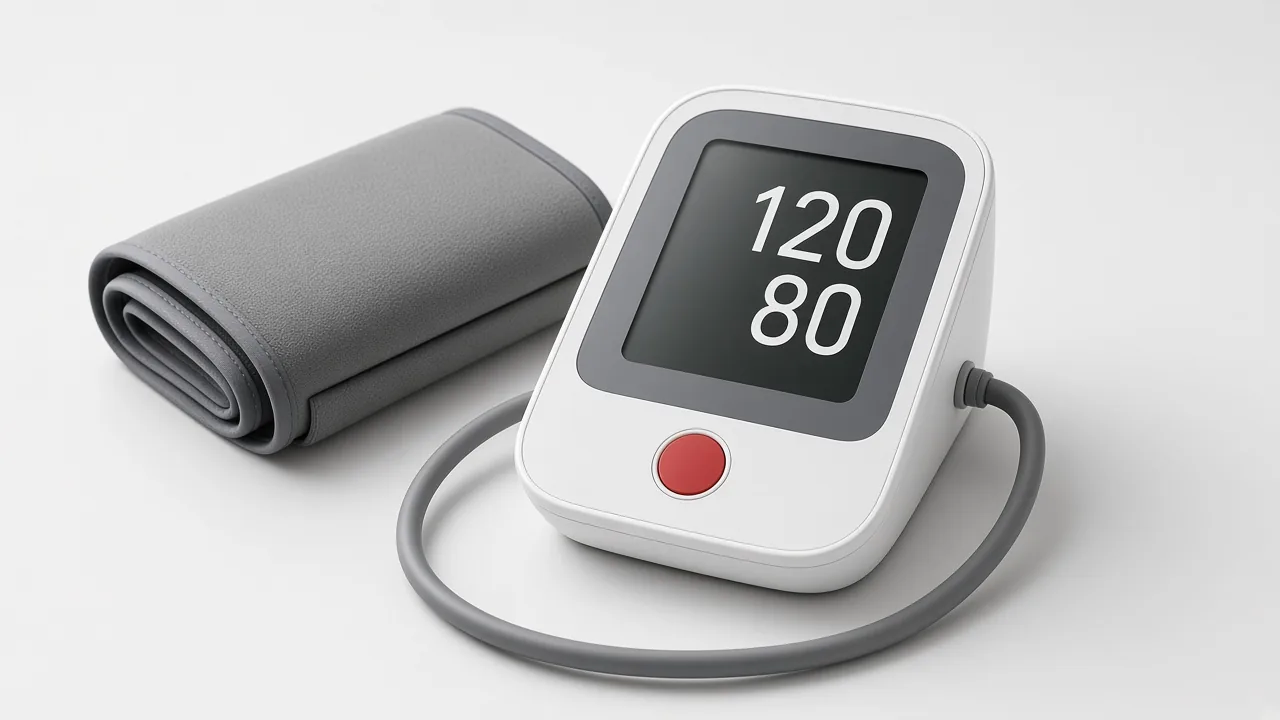
Home blood pressure only helps if the method is boring and repeatable. This guide follows the same ideas used in out-of-office protocols: rest, posture, a cuff on a bare upper arm, no talking. It is educational, not a personal medical plan. If your clinician gave you a written schedule, that schedule wins.
Before you press start
- Empty your bladder. Avoid caffeine, smoking, and vigorous exercise for 30 minutes if you can.
- Sit in a chair with back support. Both feet on the floor. Do not cross your legs.
- Rest five minutes. Keep the phone away until the reading is finished — talking and scrolling both move the number.
- Bare upper arm. Clothing under the cuff is one of the most common avoidable errors.
- Same time of day when you are building a series (for example before breakfast and in the evening), unless you were asked to capture something else.
Cuff placement
The cuff sits on the upper arm, about 2 cm above the elbow crease, tight enough that you can still fit two fingertips under the edge. Rest the forearm on a table so the cuff is at heart level. A dangling arm, a cuff on a thick sweater, or a wrist monitor hanging by the hip will not match yesterday’s reading.
Support the back. Unsupported sitting and a mid-air arm both tend to raise the number. Stay silent while the cuff inflates and deflates.
Take more than one reading
- Sit and rest as above.
- Place the cuff on the bare upper arm at heart level.
- Start the monitor. Stay still and silent until it finishes.
- Wait about one minute.
- Repeat. Keep the second reading, or the average of two, and always do the same thing.
- Enter systolic, diastolic, and pulse in Blood Pressure Tracker.
Consistency beats a ritual you change every week. Logging only the “best” of five tries is not a series; it is a highlight reel.
What to write in Blood Pressure Tracker
The app expects the three numbers you can see on the device. Use the same arm, similar time of day, and the same monitor. If you measured because you felt unwell or took a new tablet, add that in a note if the screen allows it — the number without context is harder to discuss later.
Blood Pressure Tracker stores the log on your phone, with reminders and charts. It does not decide your diagnosis. Bring the history to the clinician who asked for it.
Adult categories you will see on charts (AHA)
These bands are widely published for adults in an office-style framework. They are not a diagnosis of your health. They do not automatically apply to pregnancy, children, or a hospital protocol. Home readings are often slightly lower than clinic readings; your clinician may give a home target that is not this table.
| Category | Systolic | Diastolic |
|---|---|---|
| Normal | less than 120 | and less than 80 |
| Elevated | 120–129 | and less than 80 |
| Hypertension stage 1 | 130–139 | or 80–89 |
| Hypertension stage 2 | 140 or higher | or 90 or higher |
A very high reading with chest pain, weakness, trouble speaking, or shortness of breath is an emergency. Do not wait for an app chart.
Frequent mistakes
- Cuff over a shirt, or the wrong size for mid-arm circumference.
- Arm below heart level, or a wrist monitor used in a lap.
- Measuring after stairs, then comparing to a Sunday morning reading.
- Talking, watching a video, or tensing the measured arm.
- Logging only the lowest of several tries.
How to talk about the log
A useful home log is dated, uses one method, and is complete — including the days that look “worse.” Screenshots of a single good morning are less helpful than a week in Blood Pressure Tracker. Ask what target they want for home readings; it may differ from the public table above.
Sources
American Heart Association, “Monitoring Your Blood Pressure at Home”; ESC/ESH comments on out-of-office measurement; device manuals for cuff range. Your clinician’s target may differ from public tables.
Frequently asked questions
Should I log the first reading or the second?
Stay consistent. Many home protocols discard a rushed first reading and keep the second, or keep the average of two, after one minute of rest between them. Changing the rule every week makes the chart harder to use.
Why is my home blood pressure different from the clinic?
White-coat effect, different posture, talking, a full bladder, and cuff errors all move the number. That is why a careful home series is useful — if the method is the same each time.
Can I measure over a shirt?
No. Clothing under the cuff is a common error. Use a bare upper arm.
What if a reading is very high and I feel unwell?
Chest pain, weakness, trouble speaking, or shortness of breath with a very high reading is an emergency. Do not wait for an app chart. Contact emergency services.
Does Blood Pressure Tracker diagnose hypertension?
No. The app stores the three numbers you type. Category tables on this site are public adult reference bands, not a personal diagnosis.